The Fourth Amendment, on the Fourth
A Supreme Court win for your location data — landing on the one weekend we celebrate the document it comes from.
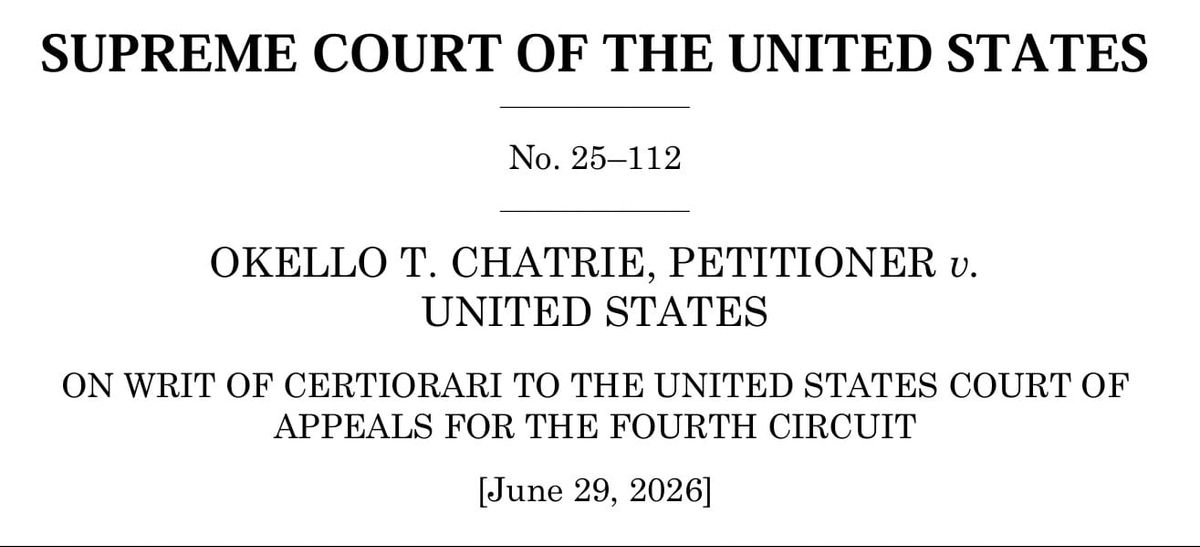
Some symmetry is too good to ignore.
This Independence Day, the freedom worth sitting with is a quieter one: the freedom not to be tracked, scored, and sold by the digital exhaust of an ordinary life.
Five days ago, the Supreme Court ruled — 6–3, in Chatrie v. United States — that your phone's location data is protected by the Fourth Amendment. Pulling it is a search. And the app data you "agree" to share? Still yours. It's the most consequential digital-privacy decision since 2018 — and it lands on the one weekend we celebrate the document those protections come from.
I wrote a full breakdown — what the ruling means, what a "geofence warrant" actually is, how AI makes that dragnet nearly free, and what it changes for clinic visits and cross-state travel. Read the full piece →
Here's the line I keep coming back to: you are not public property just because your phone is.
The Null Identity is a novel about a woman erased by exactly the machinery this ruling reins in — a little. The fiction is real. This week, so is a bit more of the protection.
Happy Fourth. Stay un-erasable.
#savethezeros
